Skip to content

Ski guide · 10 resorts

The Best Backcountry Resorts in Japan

For skiers who earn their turns, Japan's backcountry pairs reliable snow with serious vertical. Each resort below is tagged for backcountry access in our index, ordered by vertical drop so the biggest descents lead.

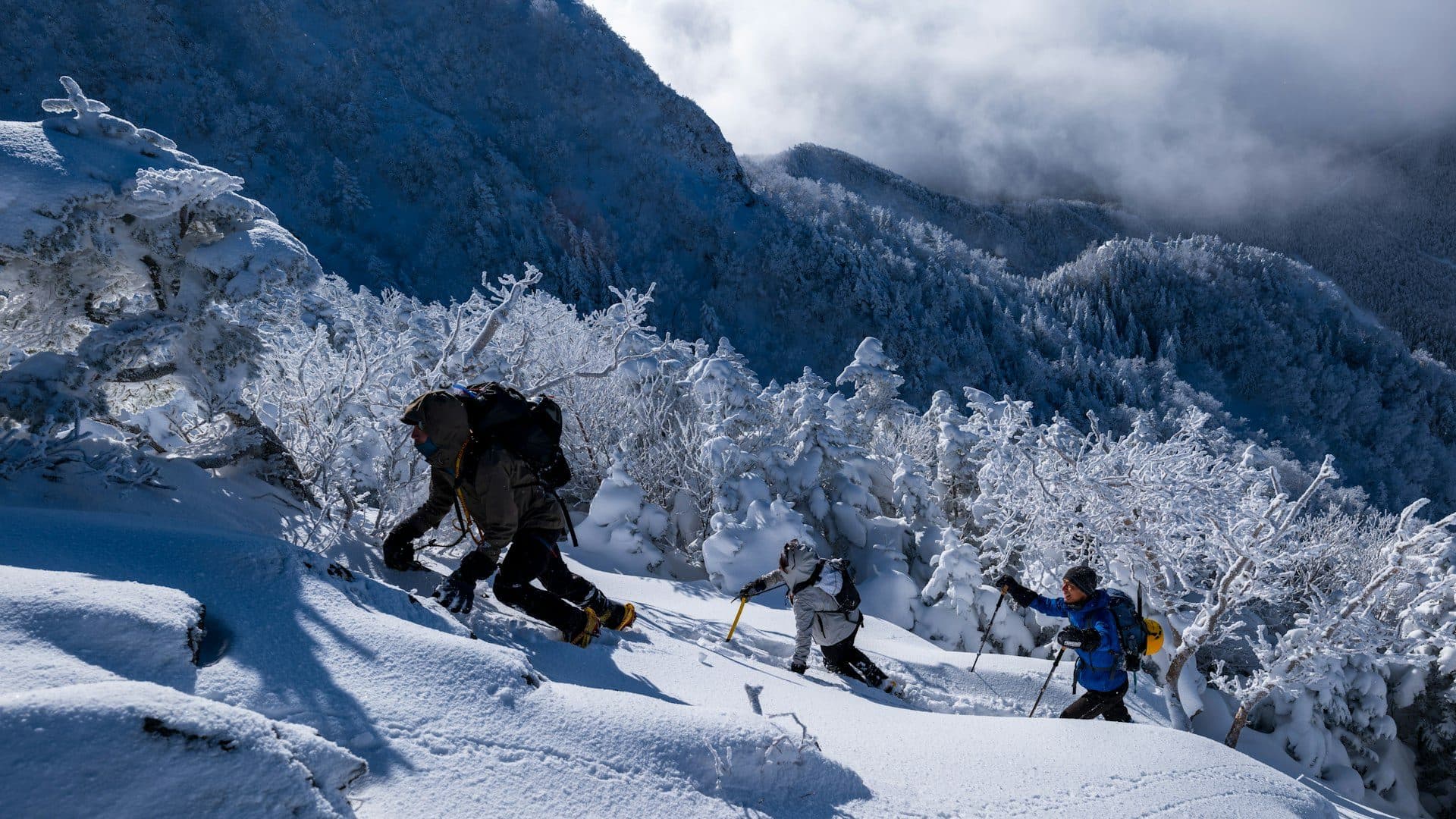
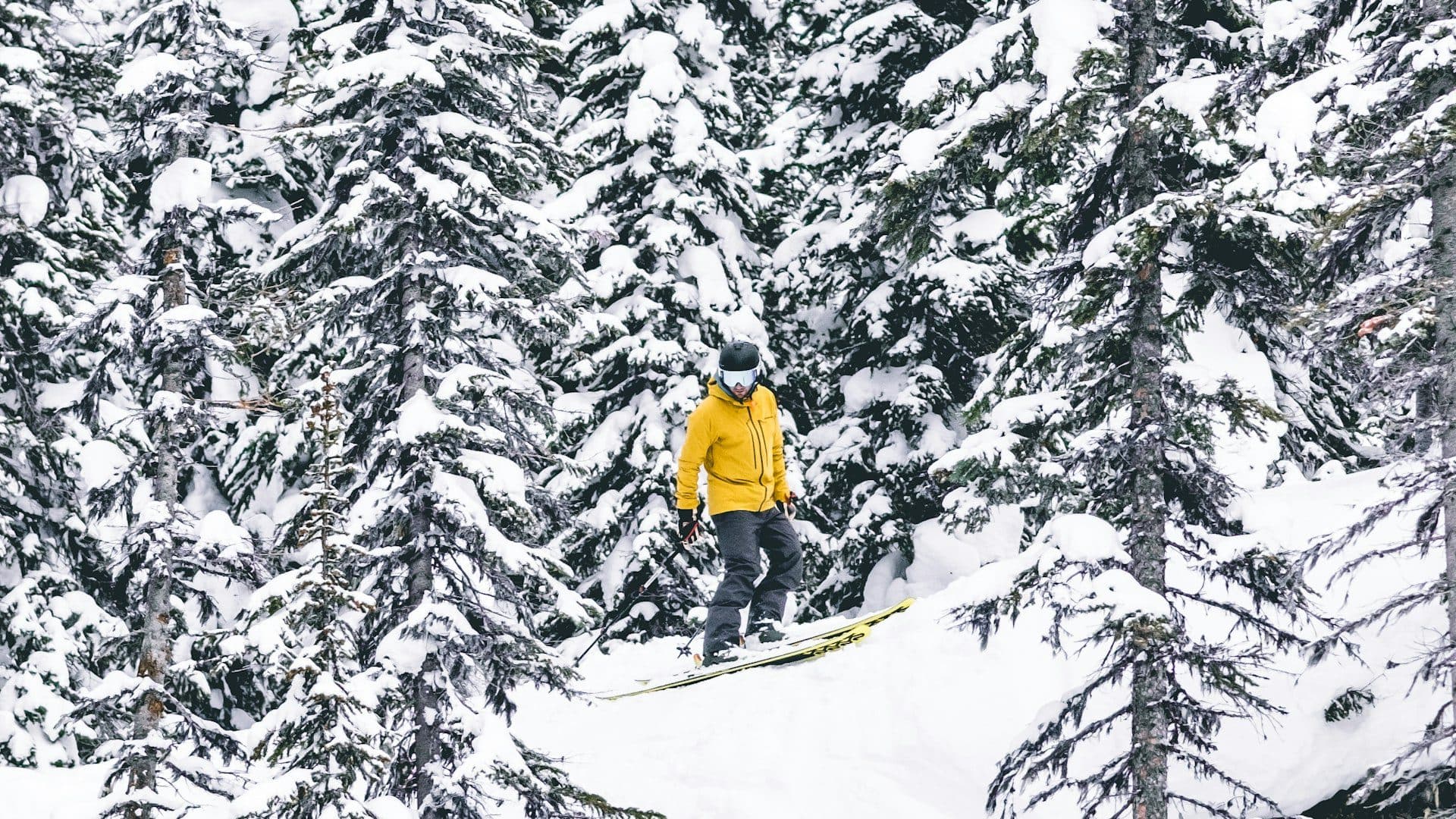
Japan's backcountry sits in a different category to its lift-served reputation. The snow is the same — deep, cold, frequent — but the access culture is more conservative. Most resorts run a gated sidecountry policy: marked exits onto adjacent terrain, with the expectation that you carry a beacon, a partner, and the local knowledge to read a slope that may not have been skied that day.

The backcountry-tagged set in our index is small on purpose. Ten resorts across four regions, ranked by vertical drop because that's the metric that matters most when you're shopping for a tour or a long sidecountry lap. What unites them is access — a ropeway, a high lift, or a touring-friendly base — not just adjacent off-piste.

Below: the planning variables you should weigh before you book, how the headline regions differ on terrain and avalanche character, and the full backcountry-access index.
What to look for

How to choose a backcountry resort

Sanctioned gate system

The cleanest backcountry resorts publish a gate map: numbered exits, current open/closed status, and entry rules. Hakuba, Niseko United and Hakkoda all run a version of this. Other resorts treat backcountry as quietly tolerated rather than supported.

Lift-served vertical

More vertical from the top lift usually means more touring options that start with a lap on the resort. The biggest verticals in this set (Hakuba Happo at 1,071 m, Niseko United at 933 m) translate directly into longer sidecountry runs.

Guide availability

Japan's strongest backcountry guiding is in Hakuba, Niseko, Furano and Hakkoda — operators run multi-day tours with avalanche-trained guides and English language support. Solo touring is possible everywhere; with a local guide it is meaningfully safer and faster.

Avalanche character

Japan's snowpack is generally more cohesive than the continental snowpack of, say, Colorado, but storm slabs and wind loading after Siberian fronts are real. Daily bulletins are now published for Hakuba and Niseko through Japan Avalanche Network; elsewhere you'll need local knowledge.

Touring access from the base

A few resorts in this list are ropeway-served rather than chair-served — Asahidake and Hakkoda are the canonical examples. These turn the resort into a single-lift entry point for a full day of touring rather than a place to lap on-piste.

Region by region

Where to ski for backcountry, by region

Nagano

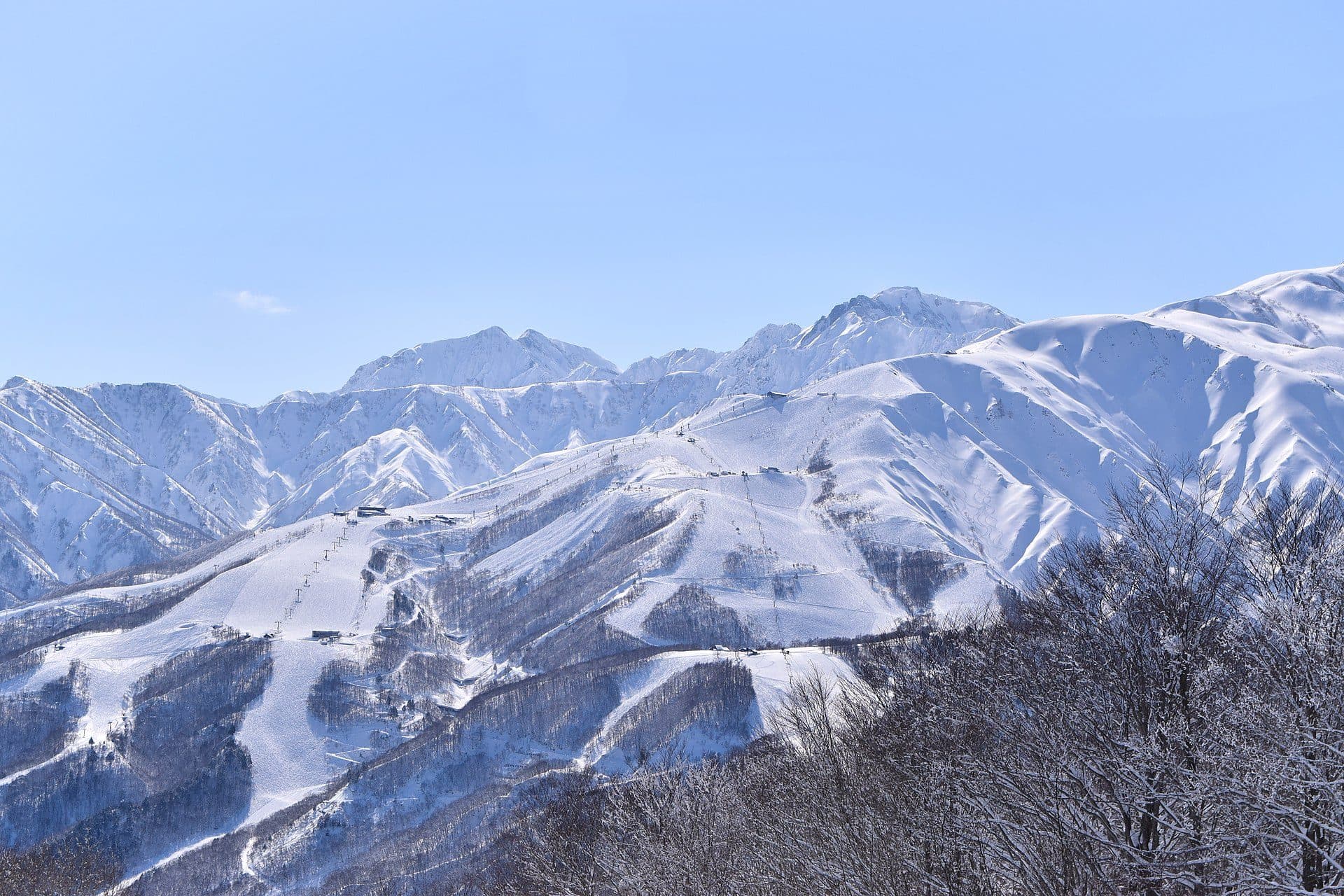
Japan's deepest alpine terrain and the strongest English-language guiding scene. Hakuba's resorts run a multi-resort backcountry gate system and sit below 1,000+ m alpine faces that ski more like a Coastal-range tour than a Japanese tree run. Happo-One is the headline base — 1,071 m of lift-served vertical and direct access to the most popular tours in the valley.

Editor's pick: Happo-One HakubaFind a stay in NaganoBook

Hokkaido

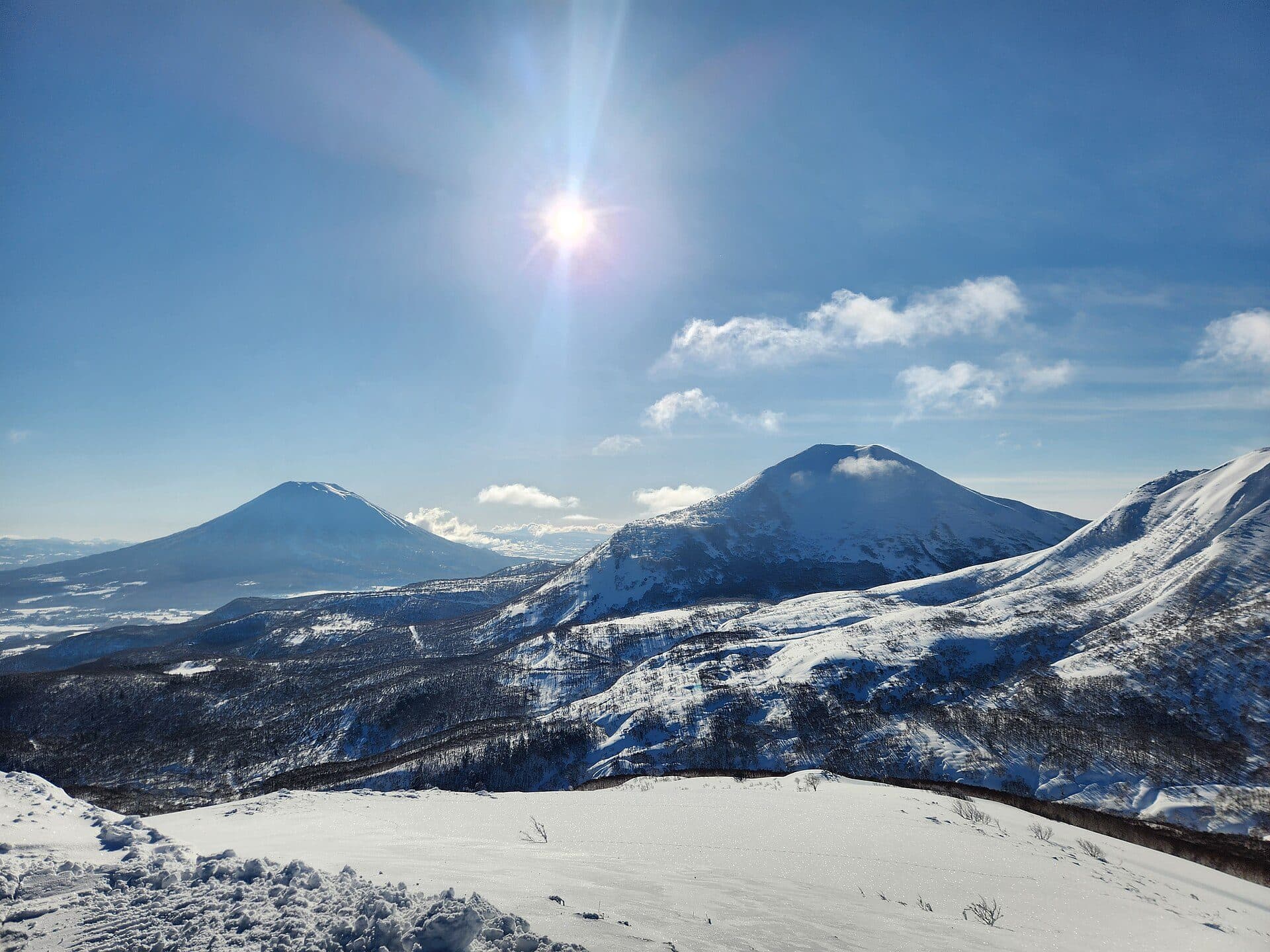
Lower-angle terrain than Nagano, but the snow makes up for it — 14–15m a season, much of it light and dry. Niseko United runs Japan's most-developed gate system and the deepest guide bench. Beyond the resort, the surrounding peaks (Yotei, Annupuri's far flanks) tour for days.

Editor's pick: Niseko UnitedFind a stay in HokkaidoBook

Tohoku

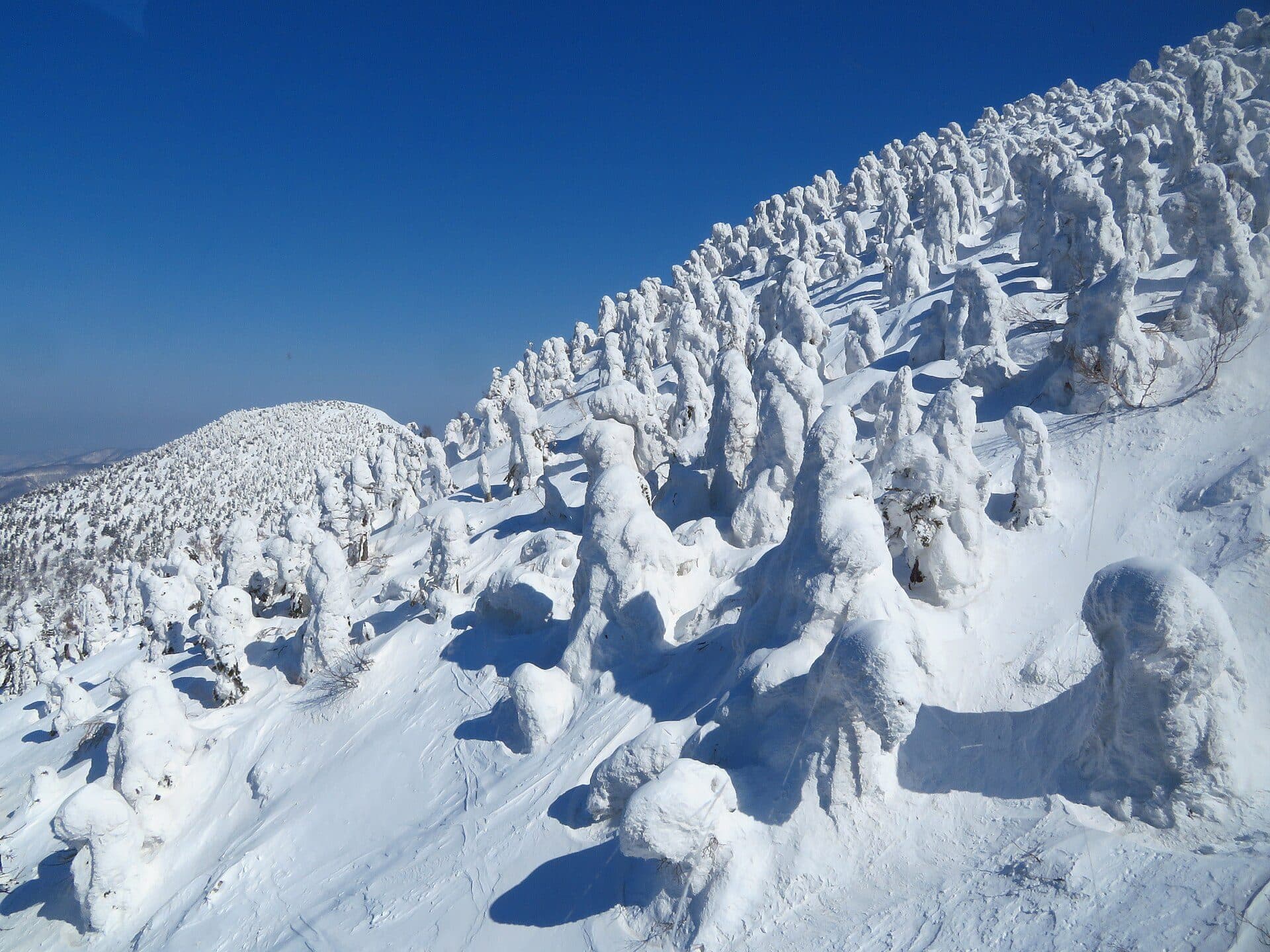
Quieter, wilder, and built around ropeway access. Hakkoda's single ropeway delivers you above the treeline into the rime-coated "snow monster" zone, with multiple tour options descending back to the base. Less infrastructure than Hokkaido or Hakuba; commensurate solitude.

Editor's pick: Hakkoda Ropeway Ski AreaFind a stay in TohokuBook

Niigata

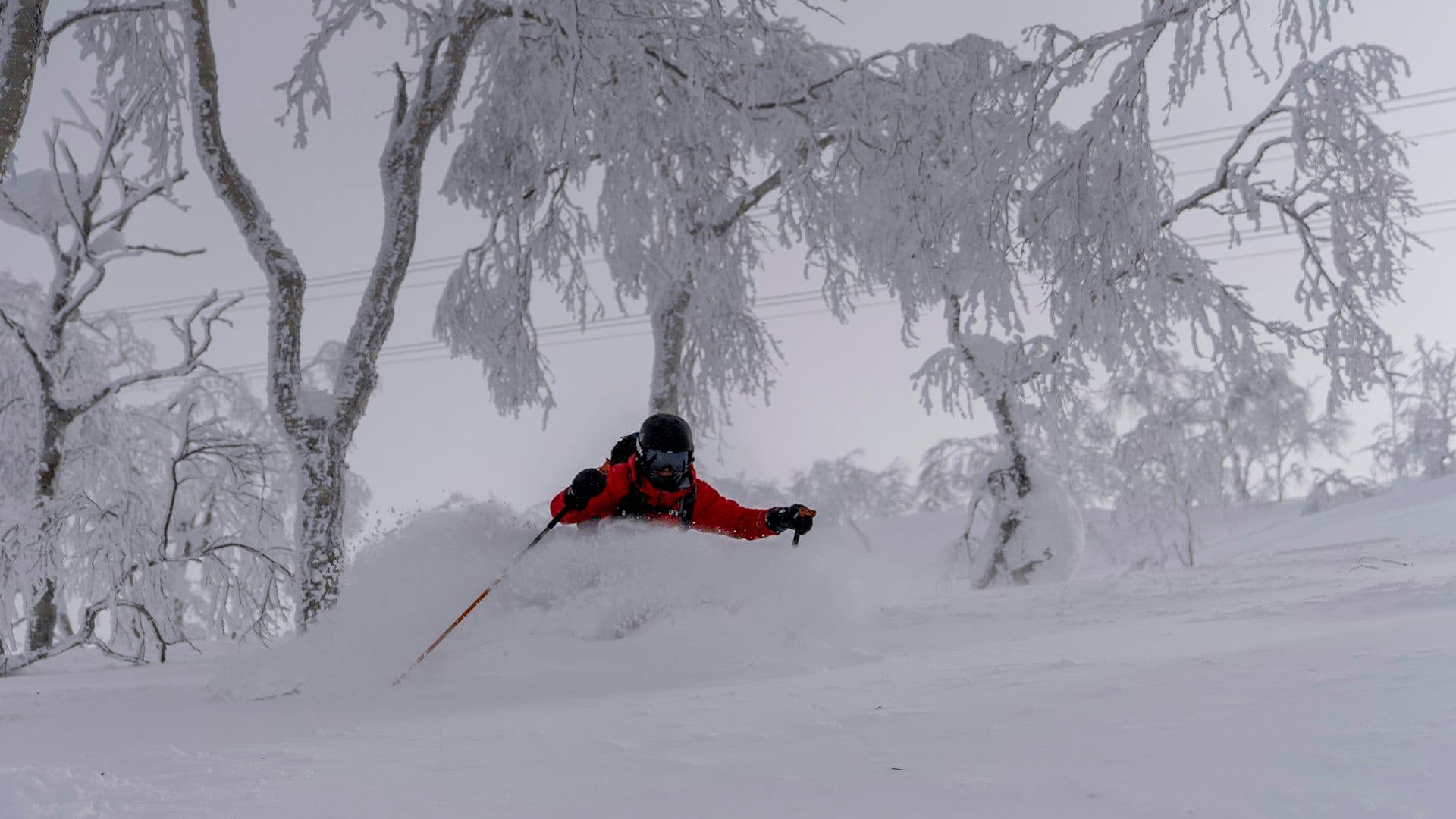
A single backcountry-tagged resort, but it earns its place. Seki Onsen is a one-chair cult mountain in a snow pocket that consistently records 14m+ a season, with treed sidecountry directly off the lift and longer touring options further out. Best paired with a guide if you're new to the area.

Editor's pick: Seki Onsen Ski AreaFind a stay in NiigataBook

Resorts ranked for Best for backcountry

Happo-One Hakuba
Nagano · Nagano
Premium

Happo-One Hakuba

destination resort

Hakuba Valley's headline resort — 1,071m vertical, the 1998 Olympic downhill venue, and the largest single-mountain experience in Honshu.

Runs23
Vertical1071m
Snow~11.7m/season
powderno carresort town
intermediateadvancedpowdertrees
Niseko United
Hokkaido · Hokkaido
Premium

Niseko United

destination resort

The combined four-mountain Niseko ski area marketed as a single linked destination. Reliable 14m+ powder, 61 runs, and a fully international resort village.

Runs61
Vertical933m
Snow~15m/season
powderluxuryresort townno carfamilies
intermediateadvancedpowdertrees
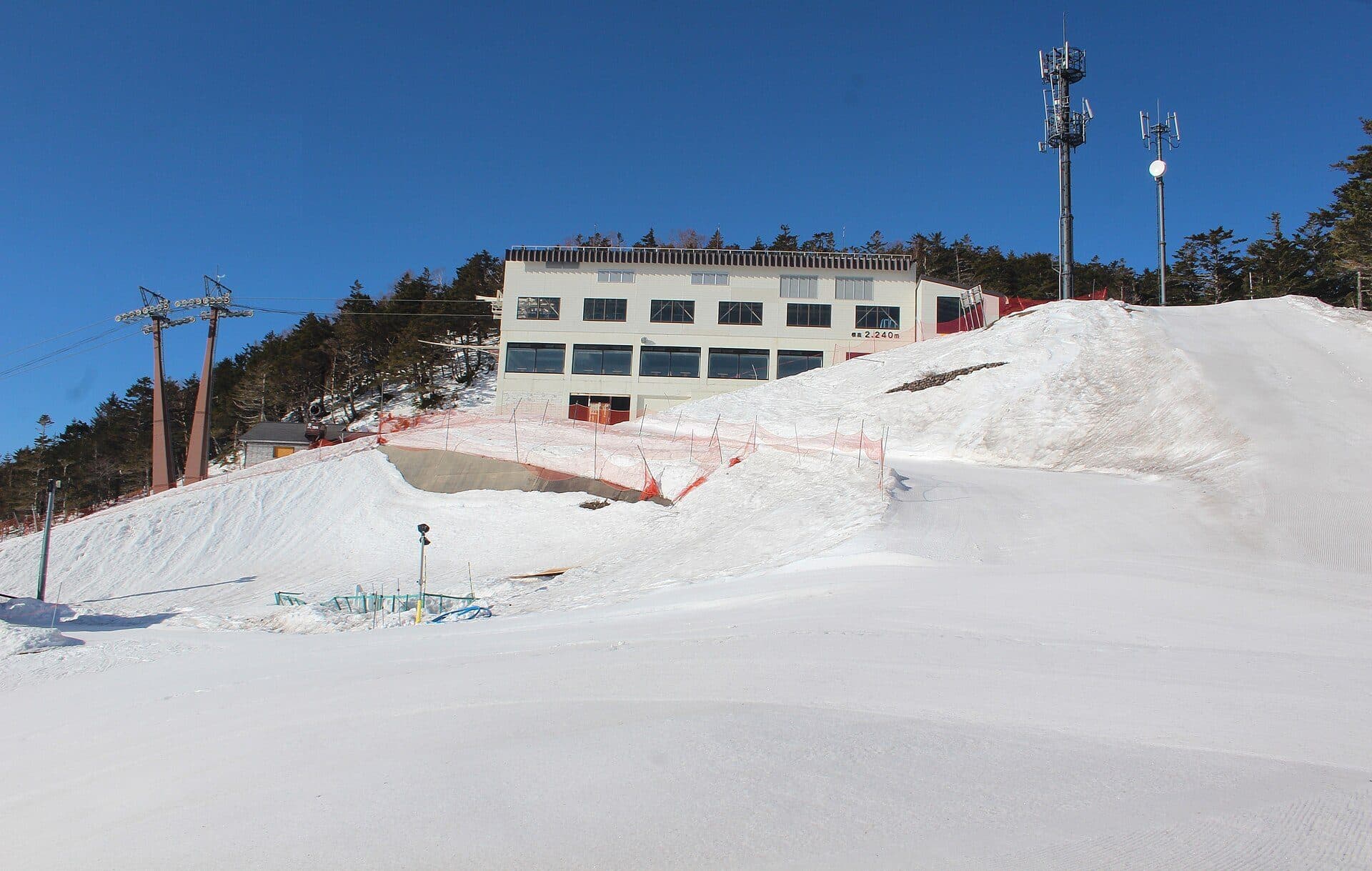
Ontake 2240 Ski Resort
Nagano · Nagano
Premium

Ontake 2240 Ski Resort

powder-focused

Japan's second-highest lift-served resort at 2,240m. Short on courses but long on season — runs into May with reliable upper-mountain snow.

Runs8
Vertical867m
Snow~8m/season
powder
intermediateadvancedpowdertrees
Niseko Annupuri
Hokkaido · Hokkaido
Premium

Niseko Annupuri

powder-focused

The westernmost face of Mt Annupuri — mellower lifts, easier access to the gate-managed backcountry, and noticeably thinner crowds than Hirafu.

Runs28
Vertical756m
Snow15m+/season
powderno carresort town
powderintermediatebackcountryuncrowded
Norikura Kogen Ski Area
Nagano · Nagano
Hidden gem

Norikura Kogen Ski Area

powder-focused

A remote volcanic plateau near Mt Norikura — limited lift-served terrain, but serious high-altitude backcountry for those who know the range.

Runs12
Vertical748m
Snow11m/season
powderno car
backcountryexperthigh altituderemote
Hakkoda Ropeway Ski Area
Aomori · Tohoku
Hidden gem

Hakkoda Ropeway Ski Area

powder-focused

A single ropeway into Tohoku's most legendary backcountry — snow-monster ridges, tree runs through beech forest, and some of Japan's deepest, driest snow. Experts and guides only on most days.

Runs5
Vertical666m
Snow15m+/season
powderno car
powdertreesexpertbackcountry
Hokkaido · Hokkaido
Hidden gem

Asahidake Ropeway

powder-focused

Japan's earliest-opening lift-served skiing — a single ropeway serving Hokkaido's highest peak, almost entirely off-piste, best for experts who can read terrain in fog.

Runs4
Vertical500m
Snow14m+/season
powderno car
backcountryexperthigh altituderemote
Nagano · Nagano
Hidden gem

Senjojiki Ski Area

powder-focused

An alpine area near Senjojiki Cirque with backcountry-touring access and dramatic Central Alps scenery.

Runs6
Vertical500m
Snow~7m/season
powder
intermediatetreesbackcountryhigh altitude
Seki Onsen Ski Area
Niigata · Niigata
Hidden gem

Seki Onsen Ski Area

powder-focused

A cult two-lift mountain beloved by powder chasers — no grooming on most of the terrain, record-breaking snowfall, and a century-old bathhouse at the base.

Runs5
Vertical310m
Snow14m+/season
powderresort town
powderexpertbackcountryuncrowded
Gassan Ski Resort
Yamagata · Tohoku
Hidden gem

Gassan Ski Resort

powder-focused

Japan's longest season — opens in April when everyone else is closing and skis well into summer. Mostly open terrain, spring snow, lift-accessed backcountry.

Runs7
Vertical300m
powderno car
summer skiingadvancedbackcountryremote

Frequently asked

Questions skiers actually ask

Do I need a guide for backcountry skiing in Japan?
Not legally — Japan does not require backcountry guides — but practically yes for a first trip. Guides know the gate timings, the safe lines after a wind event, and the rescue contacts if something goes wrong. After a season or two with locals, many international skiers tour independently, especially in the well-mapped Niseko and Hakuba zones.
When is the best time for backcountry in Japan?
Mid-January through mid-February is the statistical peak — deep, settled bases combined with frequent refresh. Late February into March opens up bigger alpine objectives in Hakuba and Hokkaido as the storm cycle tapers and visibility improves. December tours are possible but base depths are thinner, especially on rocky east-facing aspects.
What avalanche gear do I need?
Standard: beacon, shovel, probe, and the training to use them. Airbag packs are common on guided tours and increasingly available as rentals in Hakuba and Niseko. Helmets are universal. Bring or rent a snow-study kit if you plan to dig pits — Japanese touring terrain can hide depth-hoar layers from earlier in the season.
Can I rent touring gear in Japan?
Yes, in the major guiding hubs. Hakuba, Niseko-area, Furano and Hakkoda all have shops renting current-season touring skis, splitboards, skins, boots and beacons. Rentals book out fast in the Lunar New Year and February peaks — reserve before you fly. Smaller resorts in this list are alpine-only on the rental side.
How does Japan compare to backcountry skiing in Europe or North America?
The snow tends to be lighter and more frequent than most continental ranges; the terrain is often lower-angle and more tree-protected, which extends usable days. The cultural difference is real too — Japanese backcountry leans conservative, with strong respect for closures and a less aggressive scene than parts of the European Alps or interior BC.

By region

Best backcountry ski resorts in Japan, region by region

More ski guides